What San Jose Home Construction Means for Your Roof
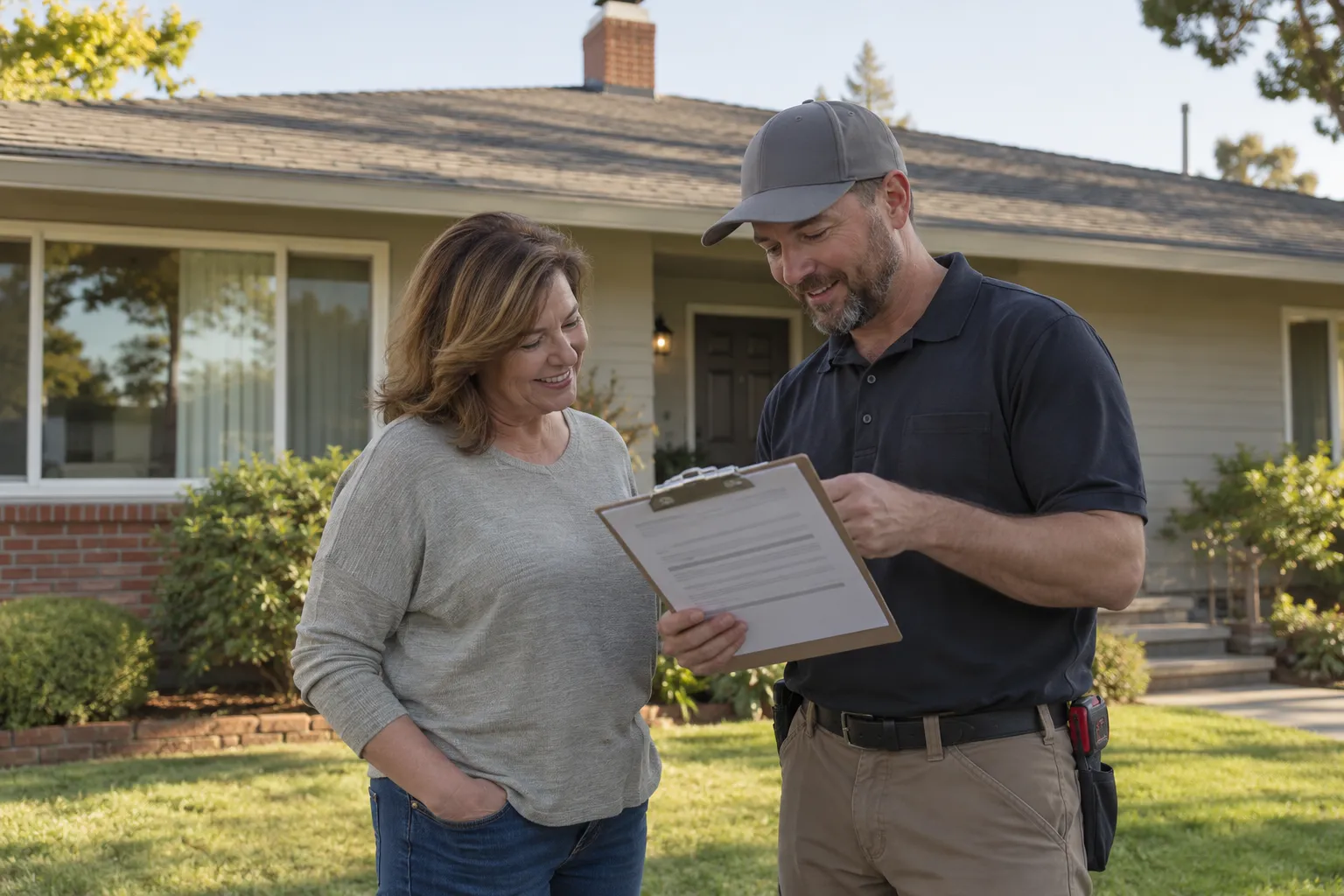
Why the house style matters
A roof is like a hat. The right one depends on the head underneath. The same material can suit one house and be a poor match for another, so it helps to start with how your home is built.
Homes across the San Jose area include stucco ranch houses, older bungalows, and many tract homes built from the 1950s through the 1980s. Each has habits worth knowing before you ask for quotes.
A note on scope: requests sent through Swordoutcome Roofing are for full replacements and new installs, not small repairs.
Stucco ranch homes
Ranch homes are usually one story with wide, low roofs. A wide roof means more material, so size does much of the work in setting the price. A gentle slope is easier for crews to walk, but it also sheds water more slowly. That asks more of the underlayment and flashing.
Stucco walls add one more detail. Where the roof meets a stucco wall, the flashing has to guide water out and away, not behind the stucco. It is like the brim on a hat that keeps rain off your collar. Ask each provider how they handle that edge, and look for it in the written quote.
Older bungalows
Bungalows often have more cuts and corners: porch roofs, dormers, small valleys. More joints are like more seams in a coat. Each seam is a place water can try to get in. Expect more flashing and more labor, which raises the cost per square foot compared with a plain rectangle.
Older framing and original board decking can also hide damage. That is why a quote should price deck repair separately. The typical range is $2 – $8 per sq ft, and it applies only where boards are damaged. You pay for what is found, not for a guess.
Tract homes from the 1950s to the 1980s
Tract homes were built in batches, so many neighbors share similar roof shapes. That helps. A provider who knows a layout can often estimate it more clearly.
The catch is age. These roofs may already be on a second layer. Extra layers raise the tear-off bill, typically $1,000 – $4,000 depending on layers and roof size. Older vents, chimneys and pipe boots also tend to need fresh flashing at the same time. Ask the provider to list each one so none is skipped.
Slab or raised foundation: does it matter?
Honestly, not much for the roof itself. The foundation sits at the bottom of the house and the roof sits at the top. What matters is the framing above and the weight it carries.
That is why the material choice matters more than the foundation. Heavy tile may need a framing check before anyone commits. Asphalt shingles and metal are lighter. A good quote states whether framing was looked at.
Material choices and typical U.S. ranges
The three common choices differ like shoes: sneakers, work boots and dress shoes. Each fits a different life. These are typical U.S. ranges, not quotes:
- Asphalt shingle: $7,000 – $15,000, a common choice for an average home
- Metal: $12,000 – $30,000, higher price and longer life
- Tile: $15,000 – $35,000, heavy and may need framing checks
- Underlayment and flashing: $1,000 – $3,000, varying with roof shape and vents
Your own price depends on roof size, shape and condition. Only a written quote can say what it is for your house.
How the local climate fits in
Three features of the California climate matter here. Long dry seasons mean steady sun wear on roofing. Winter rain events test the underlayment and flashing all at once. Wildfire smoke seasons can leave ash on the roof and in gutters, so ask how cleanup is handled at the end of the job.
Near the coast, mild temperatures mean less heat stress than in hotter places, though sun still ages roofing over time. If your area has fire-related rules for roofing materials, the local building department can tell you what applies. Ask the provider to name the fire rating of the product in the quote.
What to bring to the conversation
Before asking for quotes, gather a few facts:
- The year your home was built, if you know it
- The current roof material and, if known, the number of layers
- Photos of each slope, the chimney and any skylights
- Notes on any leaks, stains or soft spots
With those, a provider can give a tighter written quote.
Keep reading
What San Jose Home Construction Means for Your Roof: questions
Does a stucco home need a different roof than other homes?
The roof material is not usually different. The difference is at the edges where the roof meets stucco walls. Flashing there must direct water away from the stucco, not behind it. Ask how the provider handles that detail and make sure it appears in the written quote.
Why can tract homes from the 1950s to 1980s cost more to re-roof?
Many have already been roofed once or twice. If old layers are stacked, tear-off takes longer and disposal costs more. Older vents and chimneys also tend to need new flashing. A written quote should say how many layers will be removed and what the disposal charge is.
Does my foundation type change the roof I should choose?
Slab or raised foundation has little direct effect on the roof. The framing above matters more, especially if you want heavy tile, which may need a framing check. Ask the provider whether framing will be reviewed and note the answer in the written quote.
Tell us what happened
Ready to talk roof replacement? Request a callback to check provider availability, or send the short request form and ask for a written estimate from a local provider.
No obligation